Testing as documentation
Automated test suites express intent as much as they verify behaviour. New engineers read the tests to understand the system; failing tests describe what was expected and what changed.
Fibre & Foam GmbH is an engineering studio designing custom software, cloud infrastructure, and secure systems. We work with teams that treat technology as long-lived material — not as a short campaign.
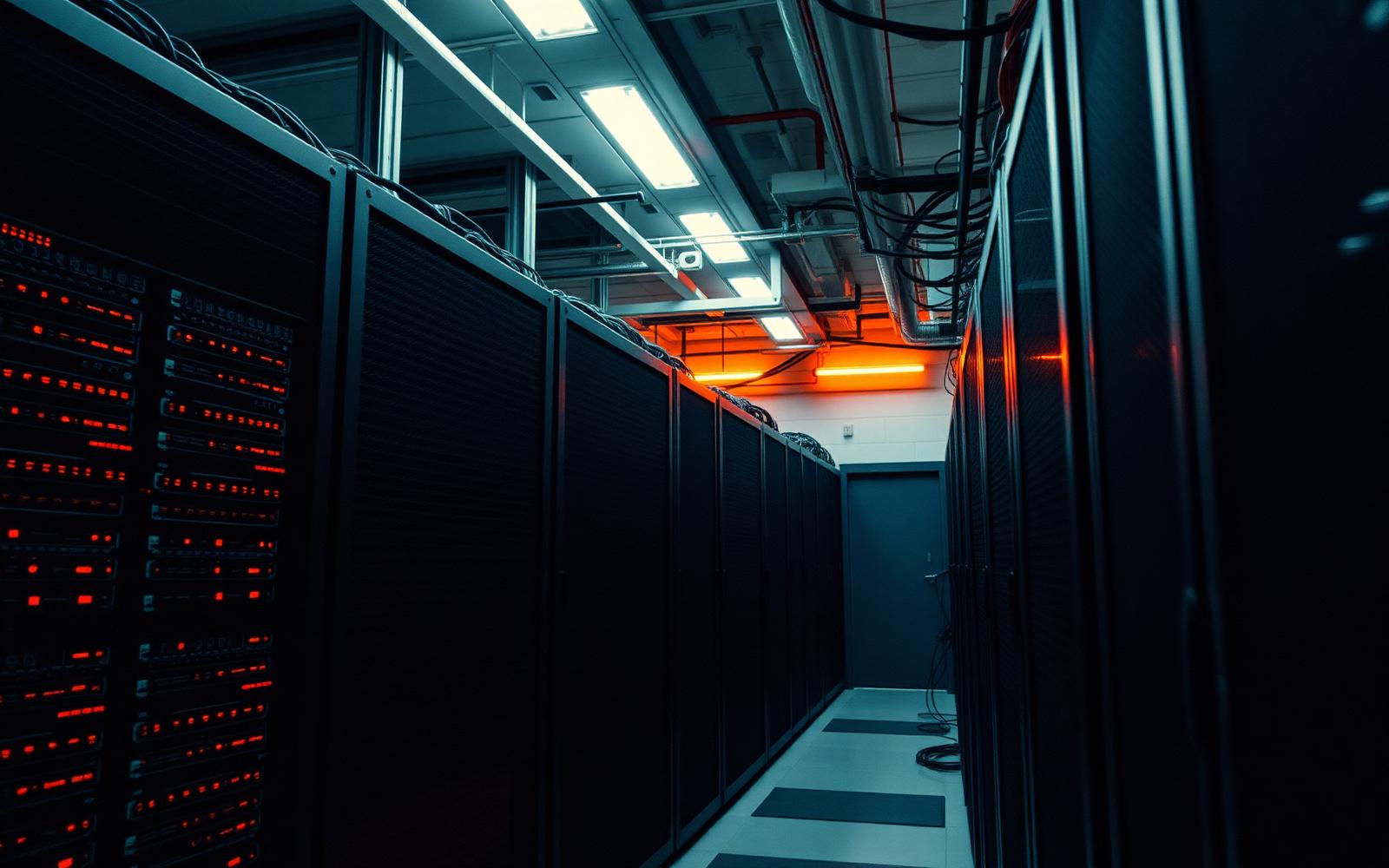
We are a small team of engineers, designers, and infrastructure specialists. Every engagement is worked directly by senior practitioners — the people who write the code are the people who sit with the problem.
Our work spans backend services, distributed systems, developer tooling, cloud platforms, and the interfaces that surround them. We prefer fewer, deeper engagements over volume.
i.
Custom applications from prototype to production, written with an eye on the years after the launch.
ii.
Reproducible infrastructure, cost-aware topology, and platforms that developers actually enjoy using.
iii.
Threat modelling, secure defaults, and identity boundaries treated as part of the design, not an afterthought.
iv.
Reliable pipelines, well-shaped APIs, and integrations that survive contact with third parties.
v.
Careful, incremental rework of systems that grew faster than their foundations.
vi.
Interfaces implemented against real design systems, with accessibility and performance treated as requirements.
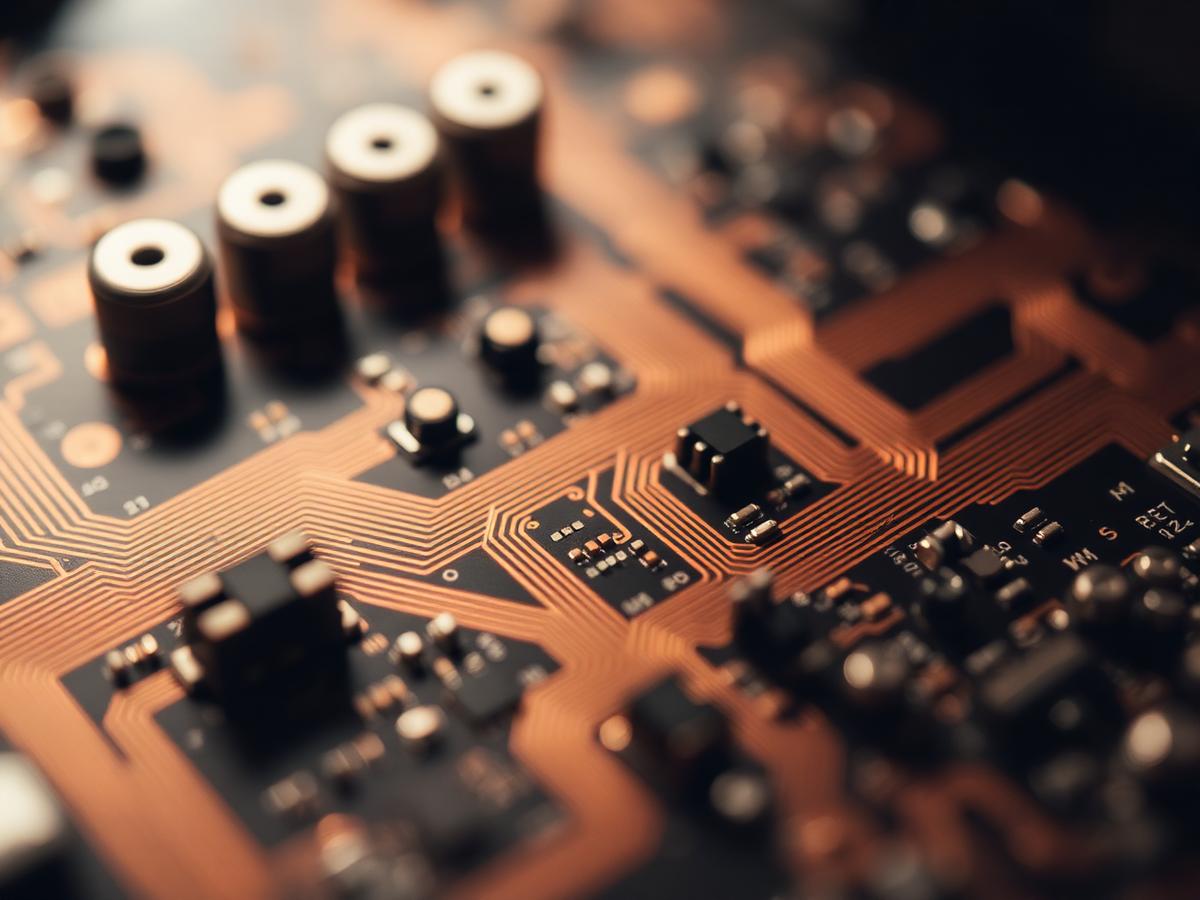
We are comfortable across the stack: from the operating system boundary and container runtimes, through service meshes and message buses, up to the browser and the mobile client. The technology chosen for a project should serve the problem — not the other way around.
Phase 01
Working sessions with your team to understand the problem, the constraints, and the invisible history of the system.
Phase 02
A written proposal covering system shape, data model, deployment topology, and the trade-offs behind each decision.
Phase 03
Short delivery cycles with reviewable increments. Working software, not slide decks, becomes the shared reference.
Phase 04
Load, security, and failure-mode testing. Runbooks, monitoring, and on-call material treated as project deliverables.
Phase 05
Documentation, knowledge transfer, and — where useful — a defined support relationship that scales down over time.
We work best where the software has weight — where downtime, privacy, or correctness matter. The following are areas where our engineering approach fits particularly well.
Fintech & payments
Healthcare technology
Industrial & IoT
Logistics & mobility
SaaS platforms
Public sector
Media & publishing
Developer tooling
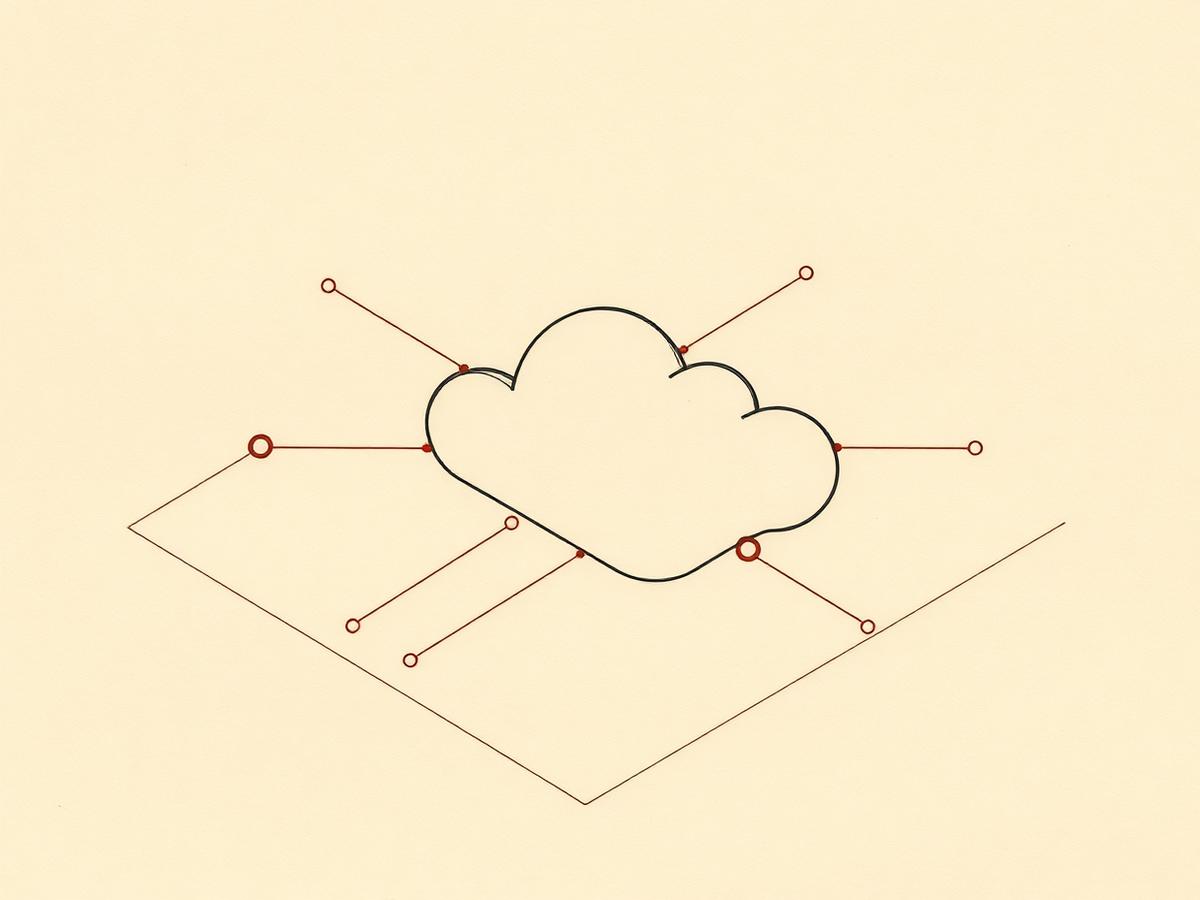
We build cloud environments as declarative code: repeatable, reviewable, and version-controlled. Networks, identity, storage, observability, and cost controls arrive together — not as a patchwork of manual clicks.
We are cloud-native without being cloud-locked. Multi-region, hybrid, and on-premise topologies remain first-class options depending on the constraints of the work.
§ 08 · Cybersecurity approach
Threat modelling begins in the architecture phase. Identity, secrets management, encryption in transit and at rest, and principle-of-least-privilege access are default constraints — not later tickets.
Automated test suites express intent as much as they verify behaviour. New engineers read the tests to understand the system; failing tests describe what was expected and what changed.
Structured logs, distributed tracing, and meaningful metrics are wired in as the system is built. Debugging a live incident should not require redeploying code to add a log line.
Change lands in small, coherent units. Reviews are used as an engineering practice, not a bureaucratic gate, and are the mechanism through which shared understanding is built.
We test what happens when things break: dependency outages, partial network failures, data corruption. Recovery paths are exercised before they are needed, not during an incident.

Cadence
Short cycles with a written weekly note. No status theatre — one page you can actually read.
Communication
Async by default, synchronous when it matters. Decisions are captured in writing so context outlives the meeting.
Tooling
We adapt to your issue tracker, chat, and repositories. We do not require you to migrate to work with us.
Boundaries
Clear scope, clear owners, clear next step. Ambiguity is resolved before it turns into rework.
We do not have a single stack we push on every project. The following are the tools we reach for most often — always weighed against fit, team knowledge, and long-term maintenance.
Languages
Runtime & data
Platform

Because the work is done by the people you speak with. Because we take the boring parts — testing, infrastructure, documentation — seriously. Because the system we hand back is one you can operate without us.
Weeks 01–02
Requirements, constraints, and success measures written down and agreed.
Weeks 02–06
Architecture proposal, environment scaffolding, delivery pipeline in place.
Ongoing
Feature-by-feature increments, weekly review, and open metrics dashboards.
Closing
Documented handover, optional support window, and a runbook you can act on.
From a focused four-week piece of work to multi-quarter platform builds. We prefer engagements where our involvement can be measured against a concrete outcome.
Both. We work directly with in-house engineering teams and independently under our own delivery. In either case, senior practitioners lead the work.
Yes, where useful. We define a scoped support relationship with clear response expectations, and we design the system so you can operate it without us.
Curious, but conservative in production. We evaluate new tools against the cost of maintaining them for years, not the excitement of using them for weeks.
We are established in the European Union and work with clients internationally in English and German.
Describe the problem, the constraint, or the milestone you are planning against. We will respond with a written first-read and the shape of a next conversation.

§ Colophon
Fibre & Foam GmbH is an independent engineering studio. We build the parts of your system that need to keep working when you are not looking at them.